Author: kensdock

Kensdock report: October fishing update

 
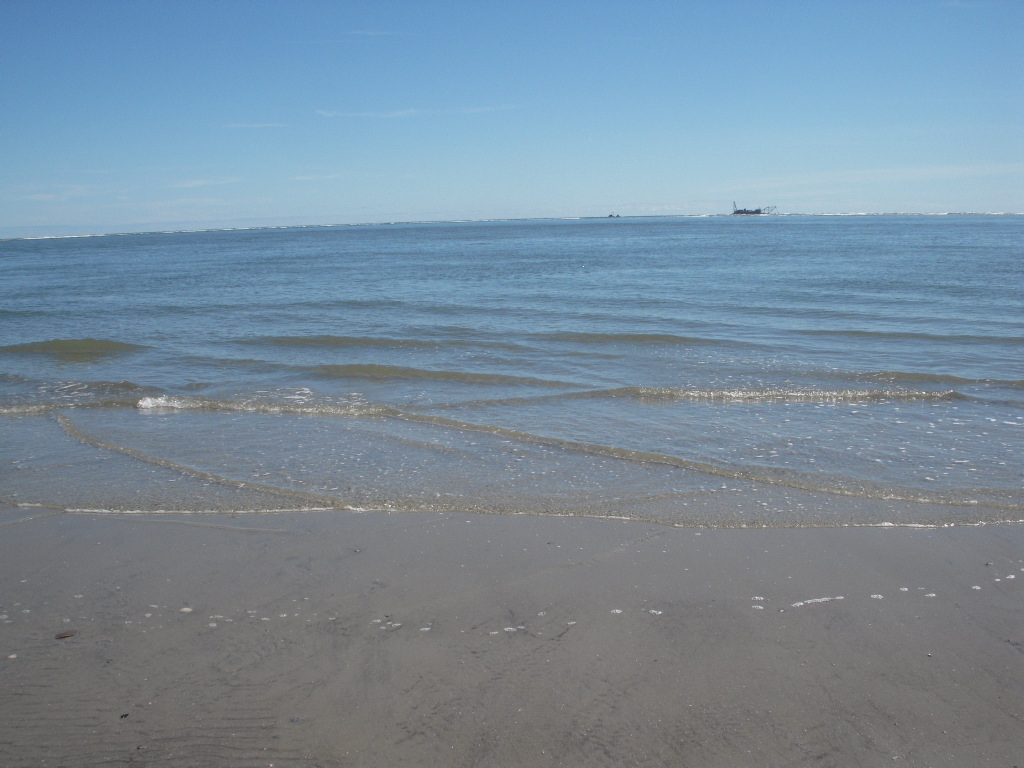
As we headed across the sound we jumped numerous ducks but it was the flock of Brant that caught our attention. The arrival of Brant in Cape May Co. NJ is a good indicator of the start of the fall fishing season. As we approached the sand flats of northern Cape May co. we experienced the illusion that we were running  in inches of water,however the water was about six feet deep,it was the clarity {very clear} of the water that created the illusion. We fished about an hour, we found success with a couple of keeper Striped Bass. The bass were caught on lures. The water temperature was 61 degrees. With the conditions of the day we expected a much better bite.


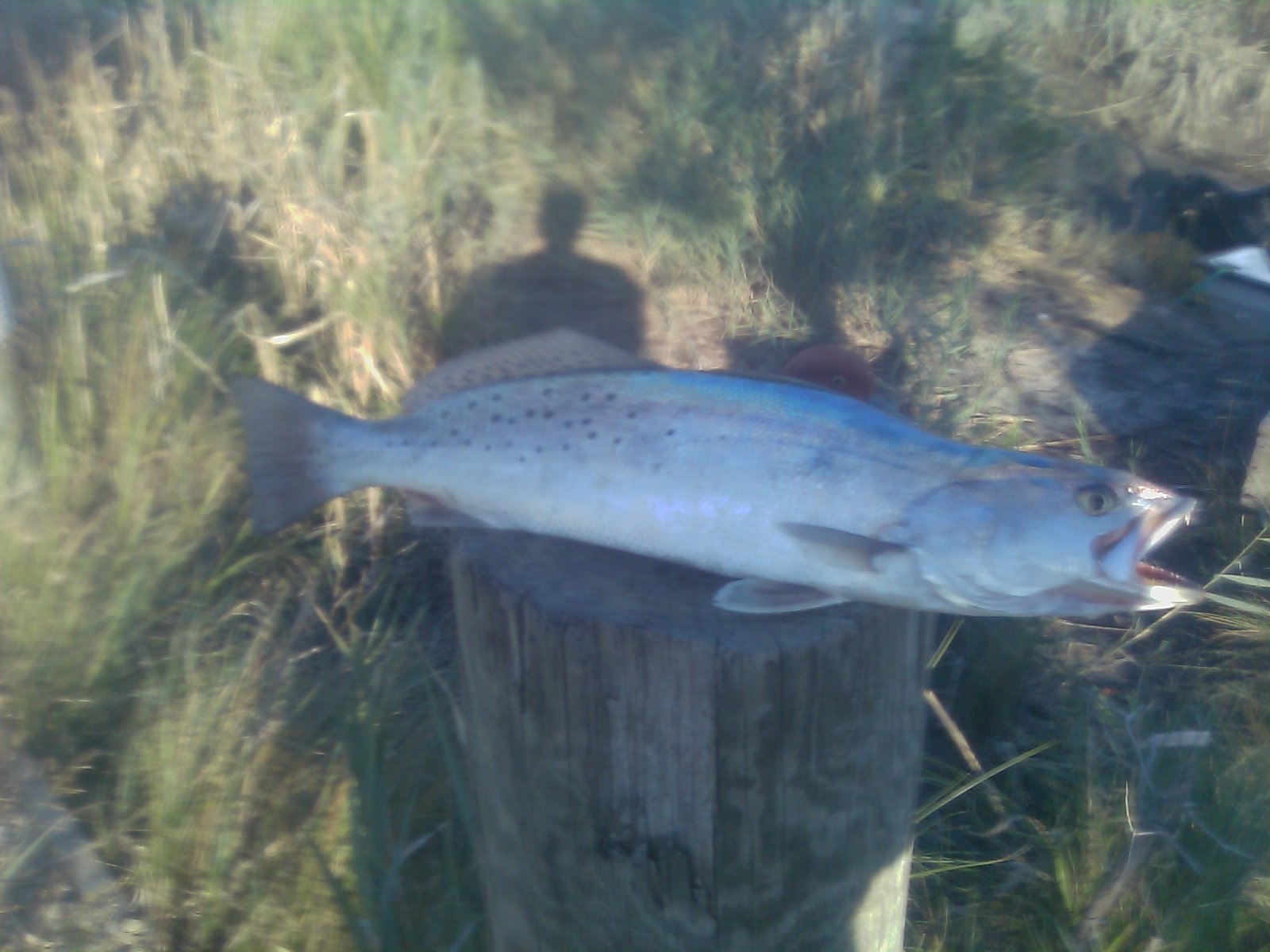
Fishing continues to be slow. Local sharps have boated a few nice tog and keeper stripers.{Chip Gruff 6.89 tog}.There has been a rumor of a spec being caught from the Sea Isle beach. The water temperature is 65.2 in the back bay,water clarity is as clear as any tropical water on the planet.

Kensdock report: October update

I was out on the water scouting my fall fishing areas recently. I found the water dirty and the water temperature 71 degrees. There is a ton of mullet still in the back bay along with small stripers and snapper blues. It will take at least two weeks of good fall weather to improve the fishing conditions. For me, time is better spent bow hunting NJ whitetail. Considering there is no legal fish available at this time, other than small blues. 

Kensdock report: 2010 Flounder season total

The flounder season ended for sport fishermen on Labor Day. This season I made 12 flounder trips, I caught 47 keeper flounder. Far short of last years 105 keepers and well short of 2006’s 202 keeper flounder. I did have two days that I limited out. Over all a good season. I am looking forward to some cool North West wind to get the fall fishing season in gear.

Kensdock Report: Quick up date flounder/striper/offshore

Some nice keeper flounder have been caught in the back bay over the last few days. Ed Teise and Harold had 5 keepers on the last trip. I had one keeper on a short 30 minute trip. A few Kids on a rental boat had two keeper flounder yesterday. The fishermen that put the effort in {on the water at daybreak} are enjoying a good summertime striper bite. At sunset the striper bite has been slow. The best offshore flounder fishermen I know Jowl from Stone Harbor had 3 keeper flounder from the old grounds. Not good. This time of year he usually has his limit of big flounder. Most fishermen have been returning from offshore with nothing in the box. Hopefully it will pick up before the end of the season.  For those that fish smart {get a Roffer’s report and go the distance} the offshore bite has been good.  

Kensdock Report: Back bay flounder/ striper/ weakfish update

Dr.Gary on the double touch out of Stone Harbor marina continues to catch keeper flounder in the back bay.On Saturday he put five  5 keepers in the box. Dr. Gary is one of the top back bay flounder fisherman in NJ, if not the best in the State. He has caught numerous flounder over ten pounds in the back bay. His boat recently won the Grassy sound flounder tournament with a 6 pound plus flounder. Lucky for the winners of the duke of fluke tournament he was not entered or he would have taken the heaviest flounder in that tournament also. The water temperature has been fluctuating from 59 degrees to 80 degrees in the back bay depending on the wind direction. When the water temperature dips the striper bite turns red hot. There has also been some weakfish caught and released this week, one 22″ that was caught and released and a six pounder that was put in the cooler.

Kensdock report: Back bay flounder update

I was out yesterday for a  short time flounder fishing in the back bay.The first spot I stopped at the short flounder were staked up. A gentleman and his two sons had been fishing the spot for two hours  they had 34 throw backs and two nice keepers. I moved on to a summertime favorite flounder hole. This spot was loaded with flounder, also mostly shorts but I know with time spent one could catch a few keepers at this spot. I moved on to the next summertime spot this spot is out in the inlet, same way  loaded with flounder.What I found at the end of my 45 minute scouting trip was the fact the bottom of the back bay is covered in flounder. You should expect to catch at least a few keepers a tide. With the tide cycling around it will make it possible to avoid the heat by fishing the morning and evening tide. The water temperature was 65 degrees at the top of the tide. The water clarity was a 7. Fishing pressure was a 1 with 10 being  the busiest.

The Fishery Conservation Transition Act (FCTA)

Recently, legislation named  the Fishery Conservation Transition Act (FCTA) was introduced in Washington DC by  United States Senator Bill Nelson that will ensure the conservation intent of the Magnusson Stevens fishery  conservation and management act {MSA} is upheld, while providing the funding and orders to upgrade the science and data collection to state of the art.

FCTA has five key areas that will steer NOAA Fisheries back towards the true intentions of the overfishing amendments made to MSA in 2006.

  • Filling gaps in MSA regarding multispecies fisheries by mandating specific conservation and science-based actions that would be taken in part to allow fishing for healthy stocks;
  • Allowing reasonable time to transition to a new management framework that will deal more rationally and scientifically with rebuilding of stocks undergoing overfishing;
  • Sharpening MSA economic assistance programs to insure funding is directed to those most affected by closures after carrying out full examination of who would be affected by closure;
  • Requiring the agency to look at alternative fishery management measures to enhance the sustainability of an overfished stock and carry out more frequent stock assessments;
  • Directing the agency, along with the National Academy of Science, to conduct a long-needed study on questions surrounding multispecies complexes and how all stocks in such a fishery can be managed for maximum yield.
     A group of marine recreational fishing, boating, and conservation organizations and businesses, including the American Sportfishing Association (ASA), The Billfish Foundation (TBF), the Center for Coastal Conservation (Center), the Coastal Conservation Association (CCA), the Congressional Sportsmen’s Foundation (CSF), the International Game Fish Association (IGFA) and the National Marine Manufacturers Association (NMMA) lauds the introduction of the FCTA and strongly supports the new bill. The coalition will continue to advocate with Members of Congress for their support of the bill and to seek additional sponsors. 
Note:
The { FCTA} differs greatly from the RFA backed {MSA} flexibility bill. The {MSA} flexibility bill does nothing to improve the data or the science.
  

The Fishery Conservation Transition Act Fact Sheet

S.3594, The Fishery Conservation Transition Act, was introduced by Sen. Bill Nelson (D-Fla.) on July 15, 2010. FCTA has five key areas which steer NOAA Fisheries back to the intent of the 2006 reauthorization of the Magnuson Stevens Fishery Conservation and Management Act (MSA): ending overfishing.

1. A Transition to Rational Management and Sustainable Fishing – Bill Section Two

FCTA addresses current MSA problems pertaining to fishing in a fishery that includes a stock that is undergoing overfishing. Gaps in MSA regarding multispecies complexes have led to overreaching moves such as the current proposal in the South Atlantic to close all bottom fishing for all snapper-grouper species in order to carry out rebuilding of one species — red snapper. This section maintains the prohibition on fishing for an overfished stock. However, FCTA gives the Secretary of Commerce the ability to allow fishing for other stocks in the complex IF specific thresholds are met and IF certain conservation actions prescribed in the bill are being taken, such as:

• Measures to minimize bycatch and bycatch mortality;

• Actions to improve data collection and implementation of a targeted research and monitoring program for the challenged fish stock and the fishery as a whole;

• A program for on-board observers;

• Immediate steps to close stock assessment data gaps in that fishery complex including a stock assessment for the challenged stock, and

• A report from the regional fishery management council on a long-term discard mortality reduction program for the challenged stock.

2. Time to Transition – Bill Section Two

FCTA gives NOAA Fisheries and the regional councils time to transition to a new management framework that will deal more rationally and scientifically with rebuilding of stocks undergoing overfishing. Closures will still be an option but only after actions above have been taken. Under FCTA, if actions above have been taken and total fishing closures are still deemed necessary, they would not be considered before the end of fishery year 2015.

3. Economic Assistance – Bill Section Three

FCTA amends MSA’s economic assistance program to better ensure funding is targeted to those directly affected by closures. The bill more specifically directs the Commerce Secretary to carry out an examination of who is being affected and how they are being affected when prioritizing economic assistance.

4. Better Information Gathering and Use – Bill Section Five

FCTA directs Commerce to carry out better social and economic data gathering and analysis pertaining to a given fishery closure decision and directs the department to look at alternative fishery management measures. Requirements in this area include analysis of social and economic impacts on fishing communities and industries related to the fishery in question; fishery management measures to enhance the sustainability of the challenged stock; an evaluation of alternative measures to enhance the sustainability of that stock and a stock assessment update for stocks undergoing overfishing every two years and a full assessment at least every five years.

5. National Academy of Science Study – Bill Section Five

FCTA directs the Secretary of Commerce to conduct a National Academy of Science study focused on questions surrounding multispecies complexes and the impediments to managing all stocks in such a fishery to maximum sustainable yield.


Kensdock report: summer flounder update

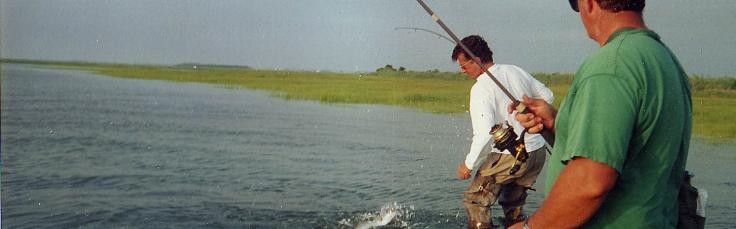
This is the time of the year that most  Cape May co. back  bay flounder fishermen move on to the Delaware bay or  Atlantic ocean summer flounder  hot spots like reef 11 and the  old grounds. I continue fishing the back bay for flounder all summer, only less frequently after July 15. There is always a couple of keepers lurking around, it just takes 10 times the patients to find one or two keepers in late summer. If you want to fill the cooler with summer flounder head to the upper Delaware bay from number 1 north to Fortqescue, the upper Delaware bay flounder bite continues red hot.
 

Kensdock report: Bass barn/Rfa

The Rfa is begging for money to finance their sea bass law suit. They are bashing large marine manufactures and other related business on the Bass Barn for not sending them money. In a nut shell, the  RFA  claims the  science and data that the NMFS used to set the sea bass season is flawed, there for the recreational and commercial seas bass harvest should be increased. They continue to push for short term financial gain for a few, in complete disregard of the future of recreational fishermen,commercial fishermen ,marine manufacturing industry and the sea bass.
I think the reason that no major manufactures or larger and better financed recreational fishing organizations have joined the RFA lawsuit is due to this court decision http://www.joincca.org/press%20releases/2008/Rule_of_science.html