Kensdock report : Save the Weakfish foundation

 
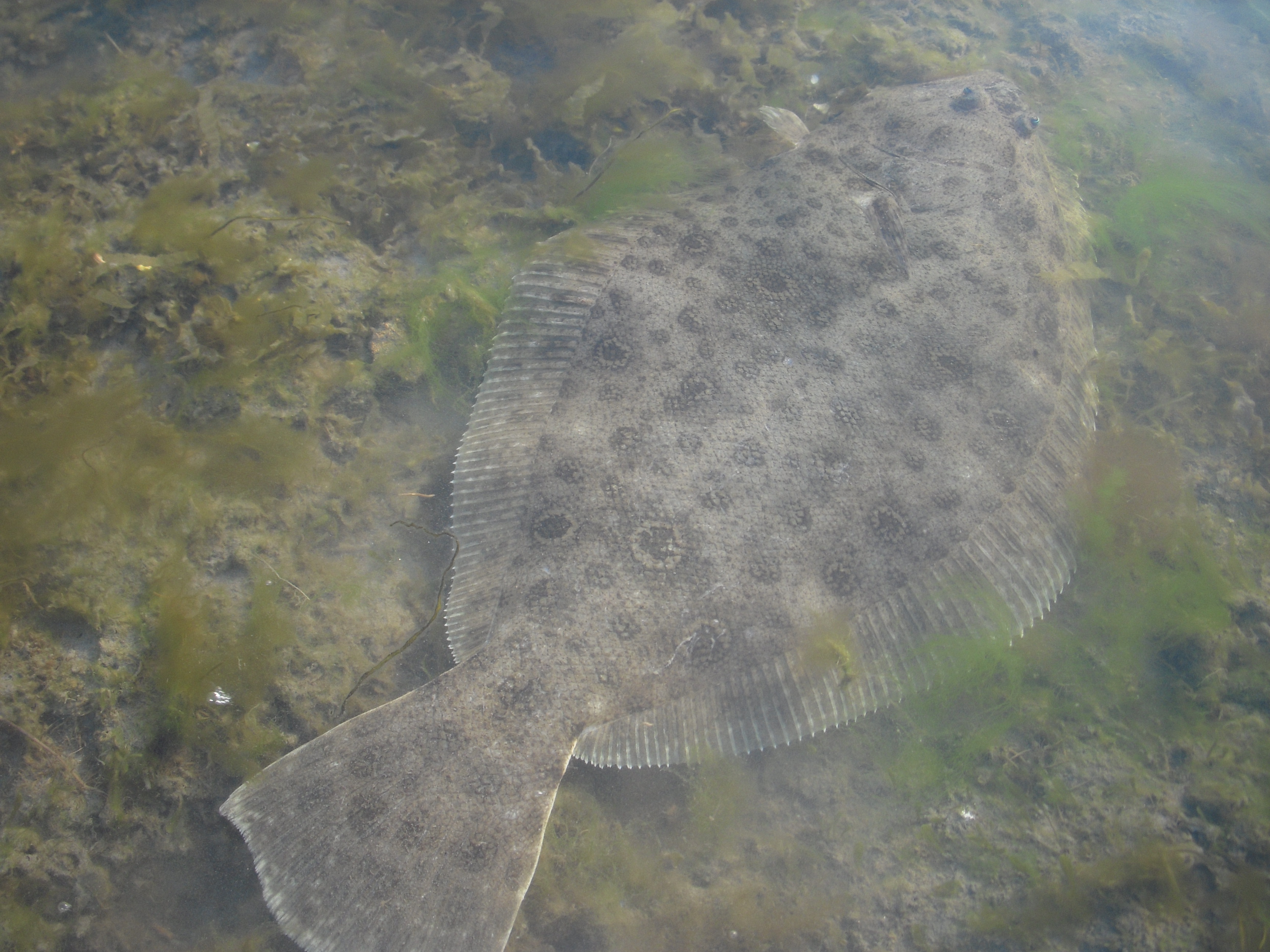
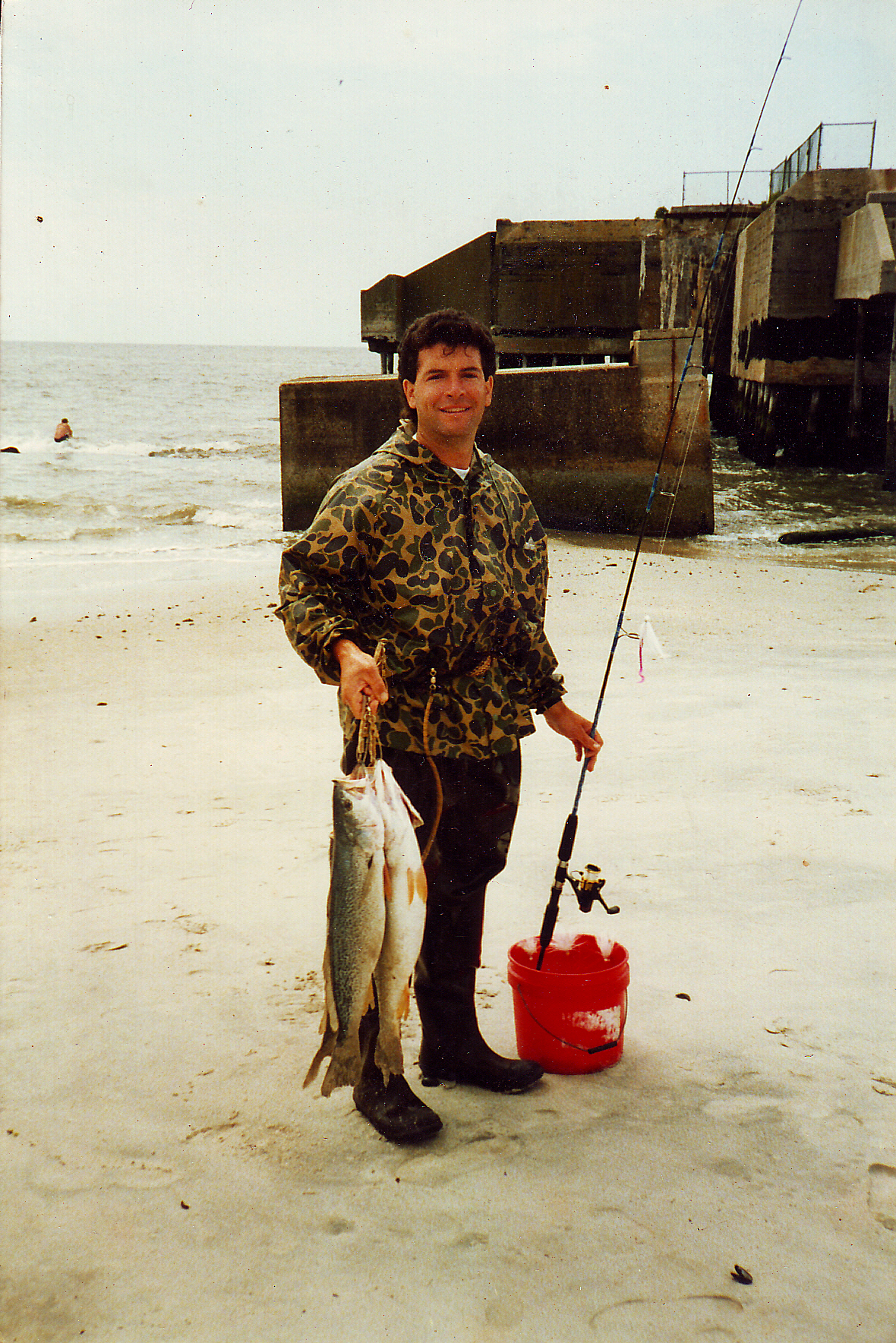
The weakfish is arguably New Jerseys greatest game fish. How many remember the excitement of catching their first weakfish? How many remember your daughter or son catching their first weakfish?  How many remember the anticipation of the spring weakfish run? How many remember pulling giant weakies from the surf in the fall or summer weakies in the bay? How many would like to help rebuild the weakfish population?? I attended the Asmfc NJ weakfish hearing last October 25″ people showed up. I attended a NJMFC meeting last Thursday the main event at the meeting was the flounder  season.I had spent a month running polls, starting threads and commenting on the options for the 2010 New Jersey flounder season. The combined views on the flounder threads were over 10,000 ,with hundreds of comments. My point, there is a lot of interest in the 2010 flounder season.   Unbeknownst to me, also on the  agenda was weakfish. As the chairman held up an empty sheet of paper, he said there is nobody on the weakfish comment sheet. He commented about natural predation being a problem with the weakfish stock, then moved the meeting forward. I was taken back at the complete lack of interest from any of the fishing organizations when it came to weakfish. Later that night, while driving south on the garden state parkway it hit me, The weakfish are not going to get the attention they need without the help of  a large group of people defined by membership. I urge you to become a member of the
SAVE THE WEAKFISH FOUNDATION
You can help! Your name and email is all that is needed now.Send it to me at  kmcder465@comcast.net  We are going to do whatever it takes to rebuild the weakfish stock! Whatever it takes!  We are working on a web page, if you can help please let me know.  http://savetheweakfishfoundationmyblog.wordpress.com/

Kensdock report; New Jersey 2010 flounder season approved

The overwhelming majority of fishing club  representatives ,party boat, charter boat, and fishermen at the meeting favored  May29 to Sept.6, 6 flounder @ 18″.  The season that was approved by the marine fisheries council May29 to Sept.6, 6 flounder @ 18″. Other options offered a longer season but demanded a  keeper size of 18.5″. Most fishermen were fearful that NJ would exceed their quota with a longer season and larger keeper size.


Kensdock Report:NJ DEP commissioner Bob Martin saves NJ’s 2010 shark season


“\
By KIRK MOORE • STAFF WRITER • March 2, 2010APP Article

TRENTON — New Jersey could come into compliance with the East Coast shark conservation plan by July 19 – and keep the Shore’s immensely popular shark-fishing tournaments on schedule – under a timetable that acting state environmental Commissioner Bob Martin proposed Tuesday to the National Marine Fisheries Service.

“In these challenging economic times, I am deeply concerned about hurting New Jersey’s struggling fishermen and associated businesses through no fault of their own,” Martin wrote to NMFS chief Eric Schwaab, asking the fisheries service hold back from imposing a shark-fishing moratorium on the state.

In addition to recreational fishing and a modest commercial shark fishery, New Jersey is the scene of seven major tournaments every year that typically draw 4,000 participants. Those anglers hope to win purses in excess of $500,000 and spend much more than that on lodging and other expenses, Martin says in the letter.

New shark rules were part of a package of fishing regulation that were delayed during the Corzine administration, and recreational advocates urged Gov. Corzine to exempt those measures from his executive order delaying new rule adoptions. In early February the Atlantic States Marine Fisheries Commission found New Jersey out of compliance, and started the clock running on enforcement actions that potentially include a moratorium.

But if New Jersey officials show they are moving promptly to come into compliance with the ASMFC plan, federal officials can delay action enforcement action for six months. Martin’s letter spells the plan out, from filing the rule proposal Thursday this week, followed by legally required milepost including a 60-day comment period, and ending with rule adoption July 19.

Kensdock Report: The significance of an accurate count of NJ saltwater anglers

 There is two estimates of NJ saltwater anglers, NOAA’s about 1.2 million and the resent US fish and wildlife survey of hunters and fishermen that estimated  about 600,000 NJ saltwater anglers .NOAA uses 1.2 million when setting our flounder season options.
.Here is were I obtained my number of NJ saltwater anglers http://www.st.nmfs.noaa.gov/st5/publication/econ/MA_NJTables , I was made aware of US  F&W survey by CaptTB and Hutchjr of the RFA during a debate over a NJ saltwater license. Actually the 1.2 is a little higher and the 600,000 is a little lower. It is easy to reason, that with an accurate count of NJ saltwater anglers our flounder season could be greatly increased.
 I would have paid 25 or 30 dollars for a saltwater license this year for the chance of greatly extending our flounder season, let alone the other benefits of a NJ saltwater license.
 

Kensdock Report: Weakfish decline


 I have attended the weakfish hearings since the early nineties, I have read through years of meeting minutes, I have avidly fished for weakfish since the early seventies, My family members were fishing for weakfish in Cape May co. in the early 1900’s, I have friends that have caught over one million weakfish in one set of their net. I have had numerous conversations with fishing legends both recreational and commercial about the raise and fall of the weakfish population. Some guys have personal knowledge dating back to the early 1930’s. This is what I have determined caused the resent weakfish stock collapse.
 
Continued  indecision by the ASMFC weakfish board! They allowed unlimited commercial harvest along the entire east coast to continue, to spite the fact that they knew they over estimated the weakfish stock in earlier years. They did close the wintering ground off NC to fly net fishing for weakfish, yet weakfish continued to by harvested by sink nets by the tens of thousands, not sure if it was legal or as a by catch but it is  public record. The small weakfish off our coast in the fall are targeted by commercial netters.The commercial fishermen  need federal permits for blue fish, summer flounder, scup, sea bass but not weakfish! This has put even more pressure on the fall spike weakfish and more than likely, the reason why they are not found the following spring.
 
The ASMFC weakfish chairman claims natural mortality is to blame for the decline of the weakfish. This is not true! The weakfish were allowed to be reduced to the point that this is now a problem! 
 
The current regulations fell short of a total moratorium, the moratorium offered the best chance for a recovery, keep this in mind if you get lucky and hook a tide runner this spring.  
 
Some encouraging news, I received some good reports of weakfish schools in the upper Delaware bay last fall, with some guys limiting out every trip. At least there is a few seed weakfish around.


Kensdock report: Striper season opens today

   
It is the first day of striper season in the NJ back bay areas today. The first stripers of the season in  Cape May co. are usually taken around the  power plant in upper twp.. The power plant must be discharging  hot water for the bite to start. Figuring out when this will take place can be difficult, as they consider this information security sensitive. A few striper sharps have somehow figured out the plant schedule, I look for them to catch the first bass of the season.  The large amount of north east storms this winter have carved out new fishing holes in the back waters and the beach front. All the sand they pumped on to the beach last fall in Stone Harbor NJ is completely gone.The jetties are now exposed and extend into the ocean at low tide! Last spring the striper fishing  along the beach front was excellent, with bass in the 30-40 pound class caught just about ever fishable tide. A good way to find some new spring striper hot spots is to scan the area you will be fishing  with binoculars at low tide. Look along the sod banks for deep spots, the surf for cuts, also check the mud flats for new cuts and holes. Some of the areas you find may never pan out, others will. Take time to scan the marsh,
     due to the snow and ice cover the marsh grass has been cut down to mud in a lot of areas. Thousands of acres of the invasive phragmites have also been pushed down by the snow, what a beautiful view without them in the way. 

Kensdock report: NOAA’s Eric Schwaab statement at todays Rally at capital hill

Statement by Eric Schwaab, NOAA Assistant Administrator for Fisheries, on Today’s “United We Fish” Rally at Capitol Hill

February 24, 2010

I am here today to listen to those who have come to rally Congress. I know the key to any successful fishery management program is active involvement by commercial and recreational fishermen as well as other interested stakeholders.

Marine fish and fisheries have been vital to the prosperity of this nation’s coastal communities for hundreds of years. Today, however, more than 20 percent of the nation’s fish stocks are overfished and need to be rebuilt to larger, healthier populations so that they can produce their full economic potential for fishermen, coastal communities and the nation.

In 2006, Congress reauthorized and strengthened the Magnuson-Stevens Act to meet that important goal. This reauthorization was groundbreaking in many respects, including the requirement that we use science-based annual catch limits to end overfishing on all stocks. Ending overfishing is the first step to allowing a fish stock population to rebuild to a level where the stock can be fished sustainably for the long term.

I recognize and appreciate the sacrifices being made today by the men and women in the commercial and recreational fishing industries to end overfishing and rebuild marine fish stocks as required by Magnuson. These sacrifices have the potential to result in significant long-term economic benefits to fishing communities and the nation as well as benefits to the overall ocean ecosystems. Recognizing the sacrifices being made to transition to more sustainable fishing, NOAA and Congress has made a commitment of $18.6 million to assist in the transition to sectors in the Northeast groundfish industry.

Rebuilding stocks has already led to important successes and significant economic benefits for fishermen, coastal communities and the nation. Some examples are the sea scallop, monkfish, bluefish and Gulf of Mexico king mackerel fisheries. The dockside value revenues in the sea scallop industry have increased from $84.7 million in 1994 when the stock was overfished to $370 million in 2008. The healthy bluefish stocks on the Atlantic coast provide consistent, reliable fishing opportunities for shore and party and charter boat anglers and the related economic benefits of sportfishing to a wide variety of shore businesses.

We estimate that once the nation rebuilds all fisheries, which we are on a track to do and required to do by law, the dockside value of our commercial fisheries would go from $4.1 billion to $6.3 billion annually, a 54 percent increase. Rebuilding recreational fisheries will help improve the economies of our nation’s coastal communities; saltwater angling generated $82 billion in sales and supported more than 500,000 jobs annually in NOAA’s most recent report.

I understand the criticism of the 10-year rebuilding timeframes in Magnuson. However, I believe Magnuson already contains the flexibility we need for rebuilding stocks by allowing certain exceptions based on biology and other issues. Balancing rebuilding for the long-term health of coastal communities with the immediate economic effects remains a challenge for everyone involved in implementing the act’s mandate to end overfishing and rebuild stocks.

Although I’ve only been in my job as head of NOAA’s Fisheries Service for a little more than a week, I am familiar with fishing communities, their proud traditions, and the challenges we face in keeping them vibrant for future generations. I am interested in hearing the concerns of everyone involved, and I look forward to a cooperative and productive relationship.

Kensdock report: Recreational fishing groups call on Obama administration for change

Immediate administrative action needed to avoid significant problems with fisheries management

WASHINGTON, D.C. – February 23, 2010 – Today, a coalition of marine recreational fishing, boating, and conservation organizations and businesses called on the Obama administration to take immediate action to address a crisis within the federal fisheries management system. In a letter to National Oceanic and Atmospheric Administration (NOAA) Administrator Dr. Jane Lubchenco, the American Sportfishing Association (ASA), The Billfish Foundation (TBF), the Center for Coastal Conservation (CCC), the Coastal Conservation Association (CCA), the International Game Fish Association (IGFA), and the National Marine Manufacturers Association (NMMA) laid out an initial framework to immediately address serious and escalating problems resulting from inadequate implementation of the Magnuson-Stevens Fishery Conservation and Management Act and the chronic problems that exist within the federal marine fisheries management system.

The coalition emphasizes that there are available administrative actions that can be taken right away to address the concerns of the sportfishing and boating industries and the nation’s 13 million saltwater anglers who depend on well-managed, healthy marine fisheries. Read the full letter sent to Dr. Lubchenco here.

Given NOAA’s recent ban on recreational fishing for red snapper from North Carolina through Florida and the potential for additional bans on key recreational saltwater fisheries, much of the frustration that exists in the grassroots recreational fishing community over these management decisions has boiled over into organized protests including, one being held Wednesday, February 24, in Washington, D.C.

With today’s letter, the coalition called upon the administration to:

    * Take decisive, immediate action to improve recreational fisheries data by redirecting existing funds and personnel to focus on real-time management data.
    * Collect socio-economic data on recreational fishing in the communities most likely to be impacted by near-term or expected fisheries closures.
    * Provide federal level direction to the fishery management councils to use common-sense in their management approaches while the administration collects the requisite data to make sound management decisions.
    * Develop a recreational fishing program and staff within NMFS commensurate with the national economic contribution of recreational saltwater fishing.

The coalition’s groups look forward to working closely with the Obama administration and NOAA to implement solutions to effectively deal with our nation’s marine fisheries resources.

Below are comments made today by the coalition’s group leaders:

American Sportfishing Association
Mike Nussman, President and CEO
“We support healthy fisheries and good fishery management. It’s good for anglers, our business and our economy. We’ve developed common-sense administrative and appropriations proposals that address the need for timely, accurate data while preserving efforts to rebuild our marine fisheries. We see these as a starting point for actions that must be implemented to address the short and long term problems.”

“Unfortunately, what we are seeing now is crisis management rather than fisheries management and this must stop before more jobs are lost and more of the nation’s recreational anglers are unnecessarily shut out.”

The Billfish Foundation
Ellen Peel, President
“Stock assessments for recreationally important species have been a lower priority for NMFS than is justified by the economic contribution of the recreational fishing community. Recreational fishing accounts for only three percent of the marine finfish harvested by weight, yet it produces 56 percent of the jobs from all saltwater fisheries.”

The Center for Coastal Conservation
Jeff Angers, President
“The groups represented in this effort are demanding conservation-oriented measures that deliver the best possible opportunity not only for America’s anglers and the businesses that depend on them, but also for America’s marine resources to achieve their fullest potential. We expect to see the same commitment from NMFS.Their failure to do so has led to the current crisis of confidence and is threatening to bring the entire system to a standstill.”

The Coastal Conservation Association
Pat Murray, President
“There is a great deal of frustration among recreational anglers, much of it attributable to an agency that doesn’t have the data, the science orthe will to properly manage us. Recreational anglers have always been willing to do what is right to maintain healthy marine resources, but it is hard to have faith in many of the management measures we are seeing out of NMFS right now. There is a better path than the one they are on.”

International Game Fish Association
Rob Kramer, President
“We must deal with the unintended consequences of the 2006 Magnuson-Stevens Act reauthorization. We hope that our recommendations will help to get this agency, on which 13 million recreational saltwater anglers depend, back on track.”

National Marine Manufacturers Association
Thomas J. Dammrich, President
“NOAA Fisheries’ severe restrictions on recreational fishing are a direct result of the agency’s failure to collect important data on these fisheries, including the impacts of recreational fishing and boating. Unless NOAA takes quick and decisive action to improve its data and management of recreational fisheries, these large-scale closures will drive down boat sales and negatively impact U.S. marine industry jobs.”
Kensdock Report: 2010 NJ flounder season option vote

May29-Sept.6 6 fish at 18″ 41 19.81%
May23-sept.6 4 fish at 18″ 49 23.67%
May13-Sept.13 6 fish at 18.5″ 59 28.50%
May29-Sept.26 6 fish at 18.5 53 25.60%
May21-Sept.12 6 fish at 18.5 5 2.42%
May29-Sept.17 6 fish at 18.5 2 0.97%
Multiple Choice Poll. Voters: 207. AS of 2-22-10 6:45 PM


Take a second and vote on the options@


I will hand deliver the results to the NJ marine fisheries council. I can assure you the council members will take the results into consideration. Last year the option that was approved by the council was the same option that won approval on the poll.

If at all possible attend the NJ marine fisheries meeting. The March 4, 2010 meeting will be held in the L. Manuel Hirshblond Room, Toms River Township Office, 33 Washington Street, Toms River, NJ 08753.